


Wedding Dress Covers Built Around Bridal Handling
We manufacture custom wedding dress covers for bridal boutiques, gown brands and garment distributors that need protection during storage, fittings and transport. The cover should be specified around the gown: length and skirt volume first, then material, gusset, zipper, window, handle and branding. Non-woven covers are a practical option for branded garment protection, while other material structures can be evaluated against the required feel, breathability and protection level. For full skirts, trains or heavy embellishment, extra width and a side gusset can reduce compression and keep the closure away from the gown. Explore our clothing covers and garment bags, or send your requirements for a tailored recommendation.

-
![Cover Packing Wedding Dress Bag]()
Cover Packing Wedding Dress Bag
Add to Inquiry -
![Dress Cover Wedding Bag for Storage]()
Dress Cover Wedding Bag for Storage
Add to Inquiry -
![Wedding Dress Cover Bag with Zipper]()
Wedding Dress Cover Bag with Zipper
Add to Inquiry -
![Wedding Dress Non Woven Suit Cover Bag]()
Wedding Dress Non Woven Suit Cover Bag
Add to Inquiry -
![Logo Suit Covers Wedding Dress Bag]()
Logo Suit Covers Wedding Dress Bag
Add to Inquiry -
![Wedding Dress Bags for Closet Storage]()
Wedding Dress Bags for Closet Storage
Add to Inquiry


How to Specify a Wedding Dress Cover That Fits the Gown
Start with four inputs: gown length, maximum skirt volume, protection scenario and branding requirement. Those inputs determine the cover body, gusset, closure, window, handle and print configuration—not the other way around.
Bridal Boutiques
Prioritize easy identification, clean rack presentation, fast handling and protection between fittings.
Gown Brands
Prioritize consistent branding, material feel, repeatable dimensions and presentation across product lines.
Formalwear Wholesalers
Prioritize scalable specifications, efficient packing and a cover format that can serve a defined gown size range.
Storage & Delivery Programs
Prioritize garment volume, closure security, abrasion control and the way the gown will hang or travel.
Choose Material by Protection and Presentation
For bridal programs, the material decision affects dust protection, handfeel, print compatibility, durability and cost. Our current wedding dress cover range includes non-woven constructions. If your project requires a different substrate or surface treatment, send the target performance and appearance requirements so the material can be evaluated before quotation.
- PP non-woven: practical for branded protection, repeatable production and bulk retail programs.
- Material weight: should be confirmed together with expected handling, opacity and durability.
- Surface treatment: should be specified only after the required breathability, feel and protection level are clear.

| Cover Material | Best Fit | Buyer Advantage | Confirm Before PO |
|---|---|---|---|
| PP Non-Woven | Boutique storage, branded protection, higher-volume programs | Lightweight, printable and available in different weights and constructions | Material weight, breathability, coating, tear resistance and seam performance |
Size and Gusset Should Follow Gown Volume
A standard flat garment cover can compress a full skirt, long train or heavily embellished gown. Before we recommend a cover size, send the gown dimensions and tell us how the dress will be stored, carried or shipped.
Measurements to Send
- Total gown length from hanger area to hem
- Maximum skirt width or packed skirt volume
- Train length and whether it is folded inside the cover
- Depth created by beading, layered tulle or structured bodices
- Required clearance at the bottom and around the zipper line
When a Gusset Matters
A side or bottom gusset gives the gown volume without forcing the fabric into a flat sleeve. It is especially useful for ball gowns, layered skirts, long trains and styles with bulky embellishment. The right gusset is a fit decision, not a decorative option.
If you carry several gown silhouettes, send the size range rather than one sample measurement so we can evaluate whether one cover can serve multiple styles or whether separate sizes are safer.
Specify the Closure, Window, Handle and Stress Points
Bridal covers fail at details: a zipper line that rubs against embellishment, a window that sits over beadwork, a loose hanger opening that admits dust, or a handle that pulls on a weak seam. Treat these as functional specifications.
| Feature | Why It Matters | What to Specify |
|---|---|---|
| Zipper | Controls access and keeps the cover closed during handling | Position, direction, pull style, smooth operation and clearance from delicate gown areas |
| Hanger Opening | Balances easy hanging with dust protection at the top | Opening size, reinforcement and fit around the intended hanger |
| Transparent Window | Helps staff identify gowns without repeatedly opening covers | Window size, upper-front placement, edge finishing and distance from lace or beadwork |
| Handle / Strap | Changes how the cover is carried between fitting room, vehicle and venue | Carry method, handle position, reinforcement and expected loaded weight |
| Seam / Binding | Affects durability at the zipper, hanger opening, gusset and handles | Reinforcement points, edge finish and acceptance criteria for seam consistency |
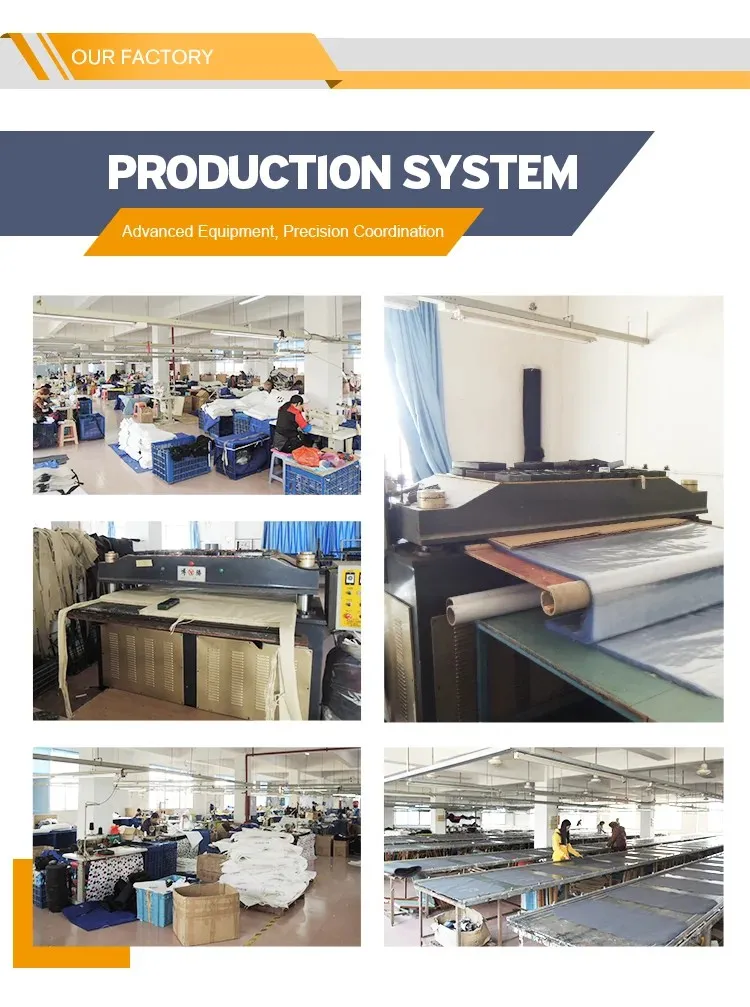
Lock the Visual Standard Before Bulk Production
Your logo method has to match the selected material. Screen printing is often suitable for solid, repeatable branding, while foil or other decorative methods depend on the substrate and surface. Before bulk production, approve the actual material and the visual result rather than relying only on an artwork file.
- Logo artwork, target size and exact placement
- Color reference or Pantone target where required
- Material sample from the intended construction
- Print or decoration test on the actual substrate
- Rub, fold and handling expectations for the finished cover
Approve Dimensions
Confirm length, width, gusset, hanger opening and closure placement against the target gown.
Approve Components
Check zipper movement, window placement, handle reinforcement, seams and garment contact surfaces.
Approve Decoration
Confirm logo size, position, color and print result on the actual cover material.
Approve Folding Method
Define how covers are folded or packed so they arrive clean and ready for boutique or distribution use.
Define Acceptance Points
Set measurable checks for dimensions, stitching, closures, windows and branding before the run is released.
Confirm Destination Inputs
Share quantity, destination country and packing requirements so the quotation reflects the real order.
Compare Cover Types Before You Finalize the Spec
Use the product pages below for specific structures, then return to this category page when you are ready to define a bridal cover program around your gown range.


Wedding Dress Cover Sourcing Questions
Start with the use case, gown size, handling method, branding requirement and expected order quantity. For non-woven covers, confirm the actual material weight, opacity, feel, print compatibility and seam performance before approval. If another material is required, define the target performance first and evaluate it against the project specification rather than selecting by material name alone.
Send total gown length, the maximum width or packed volume of the skirt, train length, depth created by layered fabric or embellishment, and the hanger type. Also explain whether the gown will hang continuously or be folded for transport. These inputs are more useful than choosing a generic garment-bag size first.
A gusset is useful when the gown has a full skirt, multiple tulle layers, a long train, structured volume or heavy embellishment. It adds depth so the cover does not force the dress into a flat sleeve. The gusset width should be selected from the gown volume and packing method, not treated as a fixed standard.
An upper-front position is often practical for rack identification, but the final location should avoid direct rubbing against lace, beadwork or other raised decoration. Confirm the window size, edge finishing and placement against the gown styles that will be stored in the cover.
Provide the logo artwork, target print size, placement, color reference and the visual effect you want. The decoration method must be checked against the selected material, so approve a print or decoration test on the actual substrate before bulk production whenever branding consistency is important.
Approve the actual material, dimensions and gusset, zipper operation, hanger opening, window placement, seam and handle reinforcement, logo size and color, and the folding or packing method. A pre-production sample should represent the intended construction rather than only a showroom reference.
Sometimes, but the decision should be based on the real gown range. Send the shortest and longest gowns plus the least and most voluminous silhouettes. We can then evaluate whether one cover size provides safe clearance or whether separate sizes would reduce compression and improve presentation.
Include cover size or gown measurements, preferred material, gusset requirement, zipper and window details, handle option, logo artwork, target quantity, destination country and packing requirements. If you have a target delivery date, include it as a requirement to be confirmed during quotation.
Get a Wedding Dress Cover Recommendation & Quote
Send the gown range and commercial requirements. We will use them to discuss a cover specification that can be compared and approved before bulk ordering.
- Gown or cover dimensions
- Skirt volume / gusset need
- Material preference
- Zipper / window / handle
- Logo artwork and placement
- Target quantity
- Destination country
- Packing requirements
- Target delivery requirement
Need broader garment protection instead? Compare our garment bag range.
As one of the leading wedding dress cover manufacturers and suppliers in China, we warmly welcome you to wholesale high-grade wedding dress cover made in China here from our factory. All customized products are with high quality and competitive price.
Wedding Dress Non Woven Suit Cover Bag, Dress Cover Wedding Bag For Storage, Logo Suit Covers Wedding Dress Bag