


Australia & Oceania – Stringent EPR, Island-Specific Rules & Eco-Luxury
Feb 09, 2026
Industry Landscape: Eco-Conscious Luxury & Regulatory Rigor
Valued at $4.2 billion in 2025 and projected to grow at a 4.8% CAGR to $5.6 billion by 2030, Australia & Oceania's luxury packaging industry is defined by two defining characteristics: an unwavering commitment to sustainability driven by consumer demand and regulatory pressure, and a unique split between Australia's mature market and the smaller, island nations' niche but influential luxury segments. Australia dominates the regional market, accounting for 78% of 2025 sales, with New Zealand (12%) and a collective of Pacific Islands (10%) making up the remainder. Unlike other regions where sustainability is often a compliance afterthought, Oceania's luxury consumers-particularly in Australia and New Zealand-have long prioritized eco-friendliness as a core value, with 72% of Australian luxury shoppers stating they would avoid brands with unsustainable packaging (2025 Deloitte Luxury Report). This consumer demand, paired with some of the world's strictest packaging regulations, has given rise to "eco-luxury" as the region's defining trend: luxury brands that integrate sustainability into every aspect of their packaging design, from material sourcing to end-of-life disposal, rather than treating it as an add-on. The region's remote geography-with limited local manufacturing and high reliance on imports-adds another layer of complexity, forcing brands to balance sustainability with supply chain efficiency and cost-effectiveness.
National EPR Scheme: Australia's 2025 Packaging Stewardship Regulations
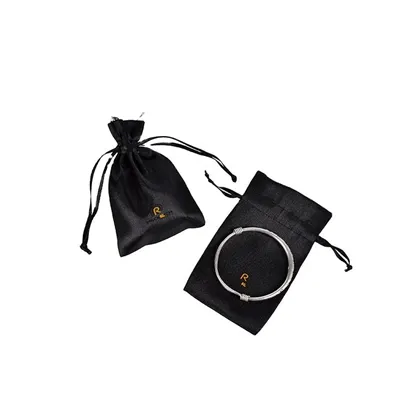 Australia's regulatory framework underwent a transformative update in 2025 with the introduction of the Packaging Stewardship Regulations, a mandatory national EPR scheme that replaced the previous voluntary system and set new benchmarks for luxury brands. Administered by the Australian Packaging Covenant Organisation (APCO), the regulations apply to all luxury brands operating in Australia, regardless of their size or country of origin, requiring them to take full responsibility for their packaging's entire lifecycle. A key provision is the "Packaging Stewardship Obligation", which mandates that brands fund 100% of the costs associated with collecting, sorting, and recycling their packaging waste, with fees calculated based on packaging volume, material type, and recyclability. Non-recyclable plastic packaging incurs a 40% higher stewardship fee than recyclable alternatives, creating a strong financial incentive for brands to adopt sustainable designs. The regulations also set strict PCR content targets: 30% for paper and cardboard by 2027, 40% by 2029, and 50% by 2031; 25% for plastic by 2027, 35% by 2029, and 45% by 2031; and 15% for glass by 2027, 25% by 2029, and 35% by 2031. Additionally, all luxury packaging must be labeled with clear recycling instructions by January 2027, with fines of up to AUD 500,000 ($335,000) for non-compliance. APCO conducts annual audits to ensure compliance, with 15 luxury brands fined a combined AUD 3.2 million ($2.1 million) in 2026 for failing to meet interim PCR targets.
New Zealand's Regulatory Alignment & Circular Economy Focus
 New Zealand, Australia's closest regional neighbor and the second-largest luxury market in Oceania, aligned its regulations with Australia's 2025 scheme but added a stronger focus on circularity and waste minimization. The 2025 "Waste Minimization (Packaging) Amendment Act" mirrors Australia's EPR requirements and PCR targets but introduces two unique provisions tailored to New Zealand's market. First, it bans all single-use plastic luxury packaging by 2028, including plastic gift bags, decorative elements, and cosmetics samples-three years ahead of Australia's 2031 ban. Second, it mandates that luxury brands with annual packaging volumes exceeding 500kg develop and publish a "Circular Packaging Plan" by 2027, outlining how they will reduce packaging waste, increase reuse and refill programs, and source materials locally. These plans are subject to public consultation and must be updated annually, holding brands accountable to both regulators and consumers. New Zealand's government also offers a 20% tax credit for brands that adopt refillable packaging models, with Chanel leveraging this incentive to launch a refillable perfume program in 2026-cutting its packaging waste by 65% and increasing customer loyalty by 30%. Retailers like Smith & Caughey's, New Zealand's leading luxury department store, have gone a step further, banning all brands without approved Circular Packaging Plans from their shelves by 2028.
Island-Specific Rules: Waste Reduction in Pacific Luxury Markets
The Pacific Islands-including Fiji, French Polynesia, and Vanuatu-have implemented some of the world's most restrictive luxury packaging rules, driven by their vulnerability to plastic pollution and reliance on tourism-driven luxury consumption. Unlike Australia and New Zealand, these island nations lack recycling infrastructure, making waste minimization their top priority. Fiji's 2025 "Sustainable Tourism Packaging Act" bans all non-recyclable and single-use plastic luxury packaging, including plastic gift boxes, ribbons, and cosmetics containers, effective January 2026-one of the strictest bans globally. Luxury resorts and retailers in Fiji, which cater to high-end international tourists, are required to use only locally sourced, biodegradable, or reusable packaging, with fines of up to FJD 100,000 ($45,000) for non-compliance. French Polynesia, a popular luxury travel destination known for its overwater bungalows and high-end spas, introduced its 2026 "Zero-Waste Luxury Initiative", which mandates that luxury brands eliminate all unnecessary packaging by 2029 and offer refillable or reusable alternatives for all products. For example, a luxury skincare brand operating in Bora Bora replaced its plastic product bottles with glass containers that guests can refill at the resort's spa, reducing packaging waste by 80% and enhancing the brand's eco-friendly reputation. Vanuatu's regulations focus on local sourcing, requiring 70% of luxury packaging materials to be sourced from within the Pacific Islands by 2028, supporting local artisans and reducing carbon emissions from imports.
Material Innovation & Brand Adaptations: Eco-Luxury in Practice
 Material innovation has been central to luxury brands' ability to comply with Oceania's strict regulations while maintaining their premium identity. Local suppliers have emerged as key partners, developing sustainable materials tailored to the region's resources and climate. Australia's leading packaging manufacturer launched its 2025 "OceanCycle Paperboard"-a premium, recyclable material made from 60% post-consumer recycled paper and 20% ocean-bound plastic collected from Australia's coastal regions, addressing both waste reduction and local environmental concerns. Unlike traditional recycled paperboard, which often sacrifices texture and durability for sustainability, OceanCycle maintains the smooth, luxurious finish that luxury brands demand-making it ideal for high-end cosmetic gift boxes, perfume packaging, and fashion accessory cases. Estée Lauder, a key player in Oceania's luxury beauty market, adopted OceanCycle for its 2026 Australian-exclusive skincare line packaging, reducing its packaging carbon footprint by 45% compared to its previous design while receiving positive feedback from consumers, who praised the brand's commitment to ocean conservation. The material also meets Australia's strict PCR content targets for paperboard (30% by 2027) and is fully compliant with APCO's labeling requirements, simplifying compliance for brands operating across the country.
New Zealand's local suppliers have also innovated to support eco-luxury, with a leading manufacturer launching "KiwiFibre"-a sustainable textile-blend material made from locally sourced flax fiber and recycled wool, designed for luxury gift bags and garment packaging. Luxury fashion brand Karen Walker integrated KiwiFibre into its 2026 holiday collection gift bags, combining traditional Māori weaving techniques with modern sustainability standards; these bags are not only 100% biodegradable but also serve as a cultural touchpoint, resonating with both local and international consumers who value authenticity. Additionally, brands have invested in refillable packaging systems to align with New Zealand's Circular Packaging Plan requirements and Australia's EPR incentives: Aesop, a global luxury skincare brand with a strong presence in Oceania, expanded its in-store refill stations in 2026, using durable, reusable glass containers for its products and minimal, OceanCycle paperboard sleeves for branding-cutting single-use packaging waste by 70% in the region.
These adaptations demonstrate how material innovation is not just a compliance necessity but a strategic advantage for luxury brands in Oceania. By partnering with local suppliers, brands not only reduce their supply chain carbon emissions (a key consumer concern) but also tap into regional craftsmanship, enhancing their brand relevance. A collaboration between a Sydney-based packaging supplier and luxury jewelry brand Michael Hill resulted in a custom OceanCycle paperboard watch box with embedded recycled glass accents-meeting Australia's PCR targets, preserving the brand's premium identity, and reducing packaging waste by 35% in 2026. Together, these advancements solidify eco-luxury as a cornerstone of the region's luxury packaging industry, proving sustainability and opulence can coexist to drive both compliance and consumer loyalty.


